
Mózg na Ketozie. Neuroprotekcyjne działanie diety ketogenicznej – co wiemy z laboratorium i badań z udziałem ludzi.
A ketogenic diet is good for the brain. Why? The first argument pointing to the sense of using the keto diet for the benefit of the brain is the fact that fats make up 60% of its mass.
In addition, the brain, which is the central organ of higher beings, while only making up about 2% of our body weight, is our most energy-intensive organ. The brain absorbs 20% of the energy components supplied to the body and 20% of the inhaled oxygen.
That is why the supply of high-energy fuel such as fats is so important.
The key here are polyunsaturated fatty acids – they are an indispensable element of maintaining the proper functions of the brain – starting from maintaining its proper structure as an organ, ending with the efficient reception of information and stimuli.
Clinical and experimental data provide extremely reliable evidence that the ketogenic diet has a neuroprotective effect – it protects nerve cells from damage and death.

Why does the brain prefer fat, and how can ketosis reverse adverse brain changes?
Taking advantage of the beneficial effects of an appropriate diet is undoubtedly one of the oldest forms of therapy known to mankind since the beginning of medicine.
It is no different with the ketogenic diet, the use of which is associated with documented health benefits, with particular emphasis on neurological health.
Although we are currently experiencing a real „boom” to a high-fat diet and the use of deliberate fasting, it is worth remembering that already in ancient times the beneficial effects of the aforementioned nutritional manipulations were noticed. Already Hippocrates formulated the view that the patient’s body is poisoned, and that the only panacea for his ailments is to cleanse him through the use of a diet. He argued that the system struggling with the disease should use all its resources to mobilize the immune system to fight a potential pathogen or bacteria, and not to digestive processes. Therefore, already in ancient times, more than 100 years ago, often without other therapeutic methods, periodic fasts and a ketogenic diet were recommended in the case of diseases affecting the nervous system.
In this text, I focused mainly on epilepsy and Alzheimer’s disease, because the action of fatty acids and ketone bodies in these disease entities reflects the general, neuroprotective mechanism of the ketogenic diet.
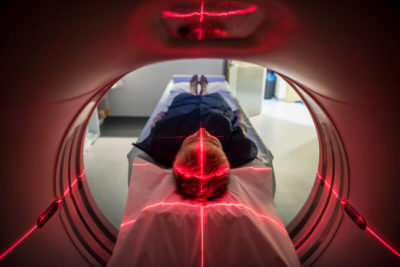
Epilepsy and the ketogenic diet
Epilepsy is a brain disease that causes the nerve cells in the brain to function properly. It is a group of psychological, vegetative and somatic symptoms that appear as a result of morphological and metabolic changes in the brain.
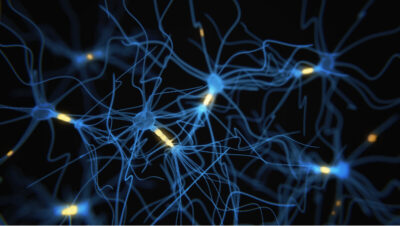
Epileptic seizures are a heterogeneous group and have different symptoms, therefore not every disturbance of consciousness or seizures will be classified as epilepsy. Epilepsy results from altered reactivity or physiological state of part or all of the brain, and is caused by abnormal activity in neural networks (impaired communication between nerve cells) and hyperactivity of nerve cells.
It is suspected that epilepsy may be the result of ion channel dysfunction (their proper functioning depends on the proper functioning of nerve cells) or an imbalance between excitatory (such as glutamate) and inhibitory (GABA) neurotransmitters.
When thinking about clinical ketosis, epilepsy is undoubtedly the most historically reported and it is this disease that is most often associated with it. For decades, it has been observed that fasting reduces the number of seizures in people with epilepsy. However, this is only the beginning of the 20th century. century brought the first clinical reports showing metabolic changes induced by hunger and ketogenic diet.
The results of many studies have shown that the appearance and maintenance of the state of ketosis in the body significantly reduced the brain’s convulsive excitability, leading to less frequent and less epileptic seizures [1]. It was also noticed that , in contrast to the potassium bromide used at that time, fasting did not disturb the mental performance of the patients.
Back to the therapeutic roots
In recent years, the use of the ketogenic diet has become more and more popular among doctors dealing with epilepsy. New studies clearly show a reduction of up to 50% of convulsions in the studied people [2]. Moreover, in some patients even complete remission of the disease is observed [3].
The therapeutic basis here are essential, unsaturated fatty acids (EFAs), as their level has been found to positively correlate with the reduced seizure activity of patients treated with this diet. EFAs, in contrast to the demanding specific carriers of saturated acids, freely penetrate the blood-brain barrier. Thanks to this, they can directly interact with a number of ion channels, influencing the excitability of cells, eg by influencing sodium and calcium channels [4].
The ketogenic diet influences various mechanisms that may be responsible for the abnormal activation of neurons in epilepsy. It has been shown that ketone bodies – acetoacetate and acetone show anticonvulsant effects by reducing glutamate in neurons, ie by reducing the stimulation of nerve cells [5]. The excess of this neurotransmitter is associated with the phenomenon of the so-called glutamate cytotoxicity, which causes permanent damage to nerve cells leading to their death (this mechanism also occurs in the pathophysiology of Alzheimea disease). There are also assumptions that ketone bodies may affect the increase of GABA, and thus reduce the likelihood of unexpected stimulation in the future [6]. Besides, research shows
The antiepileptic properties of the ketogenic diet may result not only from the beneficial effects of fatty acids and ketones, but also from lowering blood glucose levels. It is supposed that the possibility of activating the neuron is extremely strongly correlated with the presence of glucose. Therefore, limiting its amount may make the neuron much more difficult to undergo synaptic activation, which is necessary for the appearance of seizures [7].

Alzheimer’s disease and the ketogenic diet
Demographic forecasts clearly show the process of aging of societies, especially in industrialized countries – including Poland. It is estimated that in 2020 over a million Poles will be over 90, and in 2035 every fourth Pole will be over 65 [8].
The aging process is closely related to the development of neurodegenerative and dementia diseases, and Alzheimer ’s Disease ( AD) is considered one of the most common dementias in the elderly [9] .
This type of neurodegeneration mainly affects areas of the brain that are related to memory (temporal lobe), intelligence, judgment, behavior (frontal cortex) and language (parietal cortex / parietal lobe). A characteristic feature of the brain of a patient suffering from AD is its atrophy, i.e. a decrease in its volume and surface area, and less wrinkling of the cerebral cortex. Neurofibrillary tangles composed of the Tau protein, as well as amyloid plaque clusters located outside the cells, are also observed. It is the presence of the pathological, altered forms of the Tau protein and amylodiu beta that are referred to as the biochemical markers of this disease.
AD to niewątpliwie choroba mózgu, jednak najnowsze badania naukowe i epidemiologiczne wyraźnie wskazują, że osoby chore na cukrzycę są dziesięć razy bardziej narażone na występienie tej patologii [10].
Zaobserwowano, że zarówno przy cukrzycy typu 2 jak i przy chorobie Alzheimera, insulina nie jest w stanie transportować glukozy z krwiobiegu do komórek.
Jest to zjawisko określane mianem insulinooporności. W cukrzycy typu 2 dotyczy ona przede wszystkim mięśni i wątroby, w chorobie Alzheimera problem ten dotyczyć może także mózgu [11]. Pierwsze przesłanki wskazujące na fakt nieprawidłowego wykorzystania glukozy przez mózg chorych na AD pojawiły się już w 1988 roku, kiedy naukowcy odkryli, że już wczesne stadia choroby związane są ze znacznie słabszym przyswajaniem glukozy (45% mniej w porównaniu do osób zdrowych). Wysnuto wówczas przypuszczenie, że osoby bardziej podatne na chorobę Alzheimera mogą cierpieć na isnulinooporność dużo wcześniej nim zostanie postawiona im diagnoza związana z neurodegeneracją. Na przykład, badanie opublikowane w styczniu 2018 roku w czasopiśmie Diabetologia, w którym przez ponad dekadę obserwowano blisko 5190 osób, wykazało, że im wyższy poziom cukru we krwi, tym szybszy spadek zdolności poznawczych.
Dziś już wiemy, że chorzy na AD mają także mniejszy poziom transporterów odpowiedzialnych za przenoszenie glukozy w głąb neruonów [12]. Według dr. Davida Perlmuttera – neurologa i autora książek „Grain Brain” oraz „Brain Maker” – wszystko, co sprzyja insulinooporności, ostatecznie zwiększa ryzyko rozwoju choroby Alzheimera.
Another extremely important element of the etiopathology of this disease is inflammation, which is mentioned as one of the main factors of neurodegenerative diseases. It is known that inflammatory foci appearing in the body easily (via the vagus nerve) reach the brain, activating microglia cells and intensifying the toxic effect of beta amyloid. Moreover, the very phenomenon of diabetes induces inflammation and is strongly associated with the presence of pro-inflammatory factors in the body. It can be seen, therefore, how closely these processes are interconnected, unfortunately causing extremely unfavorable consequences. That is why Alzheimer’s disease is more and more often referred to as type 2 diabetes [13].
Can the brain function without glucose?
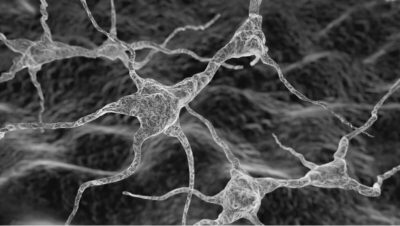
Very often you can come across the statement that glucose is an absolutely essential source of energy for the brain, and limiting its supply may result in depriving nerve cells of any fuel.
Indeed, neurons do need glucose to function properly, but the body is able to produce it from non-sugar sources through gluconeogenesis.
In addition, glucose is indeed the main energy substrate, but for people whose diet is mainly based on carbohydrates. To simplify it quite a bit, we can say that it is a matter of getting used to and teaching the body to use sugars.
Studies on fasting and a high-fat diet (published in 2014 in the journal Jour nal of Alzheimer Disease ) show that the brain is able to generate nearly 85% of the energy it needs from ketones [14]. Moreover, the concentration of ketones in the blood increases their use by the brain in a dose-dependent manner. Put simply – the more ketones we supply to the body, the better the brain is able to take them up and use them as an energy source [15].
Niezwykle cenných informacji na temat działania ciał ketonowych w kontekście ochrony neuronów dostarczyły poczynania laboratoryjne z udziałem hodowli komórkowych oraz zwierząt. Wykazano na przykład, że dodanie acetooctanu i ß- hydroksymaślanu do hodowli neuronów poddanych działaniu glutaminianu zmniejsza śmiertelność komórek poprzez ograniczenie produkcji wolnych rodników tlenowych i zwiększenie utleniania NADH w łańcuchu oddechowym. Również sama dieta ketogenna zmniejsza apoptozę (śmierć komórkową) wywołaną aktywacją receptora glutaminowego [16]. W modelu choroby Alzheimera opartym na hodowli komórek inkubowanych z fragmentem ß-amyloidu, ß-hydroksymaślan zmniejsza ich śmiertelność wpływając również na zachowanie większej ilości dendrytów i długości neuronów [17].
Oczywiście najbardziej trafiają do nas wyniki eksperymentówz udziałem ludzi i takowych również jest coraz więcej.
Jedno z pierwszych badań, które poświęcone było wpływowi ketozy na pacjentów z zaburzeniami pamięci, polegało na podaniu chorym posiłku składającego się z „keto-łakocia“ czyli oleju MCT i bitej śmietany. Zaobserwowano wówczas znacznie lepszą pamięć badanych na teście sprawdzającym przyswajanie informacji, a wspomniana zdolność poznawcza była wprostproporcjonalna do ilości ketonów we krwi [18]. Neuroprotekcyjne działanie ketogennych, średniołańcuchowych kwasów tłuszczowych (oleju MCT) zostało potwierdzone również w trwającym 90 dni badaniu, polegającym na codziennej suplementacji MCT [19]. Inne doświadczenie wykazało, że już 6 tygodni stosowania diety ketogenicznej istotnie poprawia pamięć u osób cierpiących na łagodne zaburzenia poznawcze (tzw. Mild Cognitive Impairement- MCI), może zatem stanowić istotny element prewencyjny w rozwijaniu się degeneracji mózgu [20] Przeprowadzano również eksperymenty, w których oceniano wpływ samych ciał ketonowych na łagodzenie zmian charakterystycznych dla AD. W jednym z badań choremu w zaawansowanym stadium choroby podawano 21,5 g estru ketonowgo D-BHB trzy razy dziennie, w wyniku czego znacznie podniósł się poziom ketonów w jego krwi. Badacze zaobserwowali znaczną poprawę jego nastroju, wzrost chęci podejmowania działań i zdolności poznawczych. Istotnie polepszyła się także jego zdolność wykonywania codziennych czynności (takich jak przygotowywanie i zamawianie jedzenia, codzienna toaleta, poruszanie się po mieszkaniu). Co ważne, przed przystąpieniem do badania chory całkowicie nie radził sobie ze wspomnianymi aktywnościami [21].

Science and ketosis, or a bit of our Polish „backyard”
The influence of a high supply of fats on the functioning of the brain continues to inspire scientists to undertake further research. Experiences of this type are also undertaken in Poland, e.g. by the team of Professor Dariusz Włodarek, who heads the Dietetics Department of the Faculty of Human Nutrition and Consumption Sciences of the Warsaw University of Life Sciences.
The results of his team’s research confirm the neuroprotective effects of the ketogenic diet, with particular emphasis on Alzheimer’s disease.
As emphasized by Prof. Włodarek in an interview I once conducted (being a scientific editor for the biotechnologia.pl portal) – „the molecular mechanism of the beneficial effect of a high-fat diet on neurons is related to its influence on metabolism, GABA systems, cell death and its antioxidant and anti-inflammatory nature. Importantly, the level of unsaturated fatty acids in humans and animals on a ketogenic diet is increased in both serum and brain. Identifying compounds that can produce a neuroprotective effect similar to the ketogenic diet would undoubtedly be very important in developing new therapeutic strategies for neurodegenerative diseases. ’ Interesting compounds that show therapeutic potential are the mentioned ketone bodies, in particular β-hydroxybutyrate.
The results of the Polish research group also show that it has a protective effect on neurons, preventing their damage. It is also associated with a mitochondrial response similar to that observed during the ketogenic diet and caloric restriction [22]

Closer to the plate – why is DHA important for the brain?
As I mentioned, the key to the proper functioning of the brain is the presence of essential fatty acids, i.e. fatty acids that are not synthesized by the body and therefore must be supplied from food. These compounds have been classified into omega-3, omega-6 and 9 polyunsaturated fatty acids, depending on the location of the first double bond (at the third, sixth or ninth carbon atom).
Essential omega-3 fatty acids are alpha-linolenic acid (ALA), eicosapentaenoic acid (EPA) and docosahexaenoic acid (DHA) found in plants, which are excellent sources of animal products – fish and seafood.
DHA is extremely important during the development of the body and the maturation of the nervous system, because this is when the brain uses a large amount of these EFAs for the formation and maturation of neurons [23]. Therefore, it can be safely said that the correct amount of DHA determines a properly developed brain, neuronal communication, speed of thought processes and the susceptibility of nerve cells to damage.
Wspomniany kwas tłuszczowy to także kluczowy element w zachowaniu prawidłowo działającego wzroku. Doskonale znane jest jego działanie chroniące siatkówkę, zapobiegające procesom zapalnym oraz wspierające leczenie powstałych uszkodzeń. Dlatego też ich spożywanie wiąże się z poprawą widzenia, zarówno wśród dzieci, jak i osób dorosłych.
Niezwykle istotnym dowodem na to jak ogromne znaczenie w prawidłowym funkcjonowaniu mózgu odgrywa kwas DHA są wyniki badań naukowców z Columbia University Medical Center. Przedmiotem badań były tu 10-dniowe myszy, u których wywołano coś „na kształt“ udaru niedokrwiennego mózgu występującego u ludzi. Zwierzętom podawano następnie kwas DHA i EPA i badano funkcjonowanie mózgu po upływie doby od niedotlenienia, a następnie po 8 i 9 tygodniach od uszkodzenia. Wykazano, że u myszy, którym podawano DHA, po 24 godzinach doszło do znacznie mniejszych uszkodzeń mózgu, w porównaniu do zwierząt, którym podawano EPA oraz z grupy kontrolnej. Podobne rezultaty odnotowano podczas testów przeprowadzonych później. Dalsze badania naukowców dowiodły, że mitochondria zwierząt, które „miały się lepiej” cechowało podwyższone stężenie DHA. Ma to szczególne znaczenie, ponieważ wiadomo, że to właśnie te struktury komórkowe ulegają uszkodzeniom w wyniku działania wolnych rodników tlenowych pojawiających się po udarze (dotyczy to głównie powrótu do prawidłowych, fizjologicznych warunkow komórki – reperfuzji, w trakcie której nagła, znaczna ilość tlenu związana jest z pojawianiem się jego reaktywnych form). Przytoczone wyniki wyraźnie sugerują, że spożywanie produktów bogatych w kwas DHA lub jego suplementacja po udarze niedokrwiennym mózgu może chronić mitochondria przed szkodliwym działaniem wolnych rodników [24].
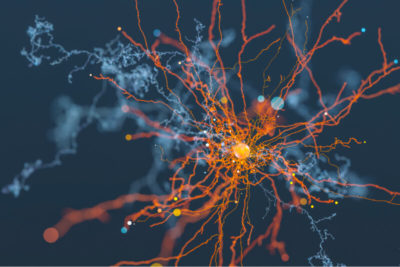
Despite the indisputable therapeutic efficacy, the exact mechanism by which the ketogenic diet works on brain function has not been fully elucidated.
It seems to be unique and results from a series of chronic metabolic changes and adaptations in the central nervous system during chronic use. The latest clinical and experimental data show very strongly that the ketogenic diet has significant neuroprotective properties, and in the era of increasing dietary awareness, this may be of great importance already at the stage of preventing neurodegenerative diseases.
It is also worth considering the benefits of intermittent fasting.
It is an extremely effective tool for helping your body remember how to burn fat and prevent insulin and leptin resistance, which are major contributors to Alzheimer’s disease.
test

adgffds





Przeczytaj również

Celowana (TKD) i Cykliczna Dieta Ketogeniczna (CKD) – Czyli Ketoza w Sporcie
W obiegowej opinii niezwykle często spotyka się stwierdzenie jakoby dieta ketogeniczna uniemożliwiała uprawianie sportu, w szczególności sportów siłowych, bazujących na wzroście masy mięśniowej. Tymczasem okazuje się, że znajomość pewnych posunięć dietetycznych może znacznie i z powodzeniem ułatwić oba aspekty.